Translate

Thursday, May 8, 2014

Middle East

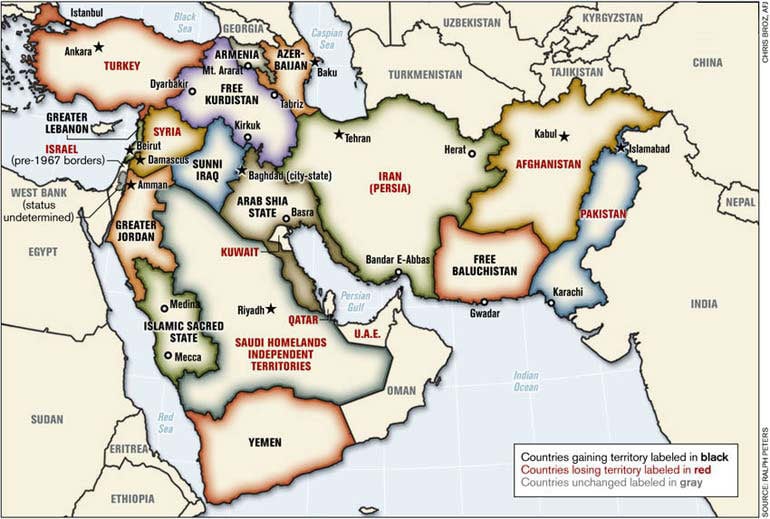
The Middle East is a place known for their dry climate and desert landscape and that it was we took on this week in International Foods.

The Middle East region represents an area of over 5.0 million square miles. The physical geography of the Middle East is varied. Vast deserts are common in the region. The Sahara Desert runs across North Africa, essentially limiting settlement to along the Mediterranean coastline and in Egypt along the Nile River.
 

Stuffed Peppers
Ingredients
  • 2 bell peppers
  • 1/4 cup uncooked rice
  • 1 tablespoon olive oil
  • 1/3 pound lean beef
  • 1 large onion, chopped
  • 1 clove garlic, minced
  • 1/3 cup pine nuts
  • 8-oz. can crushed tomatoes
  • 1/2 teaspoon cinnamon
  • 1/2 teaspoon allspice
  • 1/4 cup fresh parsley, finely chopped
  • 1/2 teaspoon salt
  • 1/4 teaspoon black pepper
Recipe
  1. Prepare vegetables for stuffing.
  2. Rinse rice well in a colander under running water. Place in a bowl, cover with warm water, and soak.
  3. Heat olive oil in a large, deep skillet over medium-high heat. Add meat. Using a spatula or spoon to break any lumps, cook 5 minutes, or until meat begins to brown. Add onion, garlic, and pine nuts to pan and sauté 3 to 5 minutes more.
  4. Add tomatoes, cinnamon, allspice, parsley, salt, and pepper. Mix well, cover pan, and simmer 10 minutes.
  5. Drain rice and add to pan. Cook, stirring occasionally, 15 to 20 minutes longer.
  6. Fill peppers. Place pepper in a baking dish with 1/2 cup water and cover with aluminum foil. Bake at 350 degrees Fahrenheit for 45 minutes.
My Thoughts
I thought this dish was okay. Personally, I'm not a pepper person. I like the flavor it gives to other foods but I don't enjoy just eating peppers. What I did was just ate the filling which was very good. I tried the filling with the pepper but preferred just the filling. Overall, this was much better than the falafel we also made in this Middle Eastern unit.

Poland

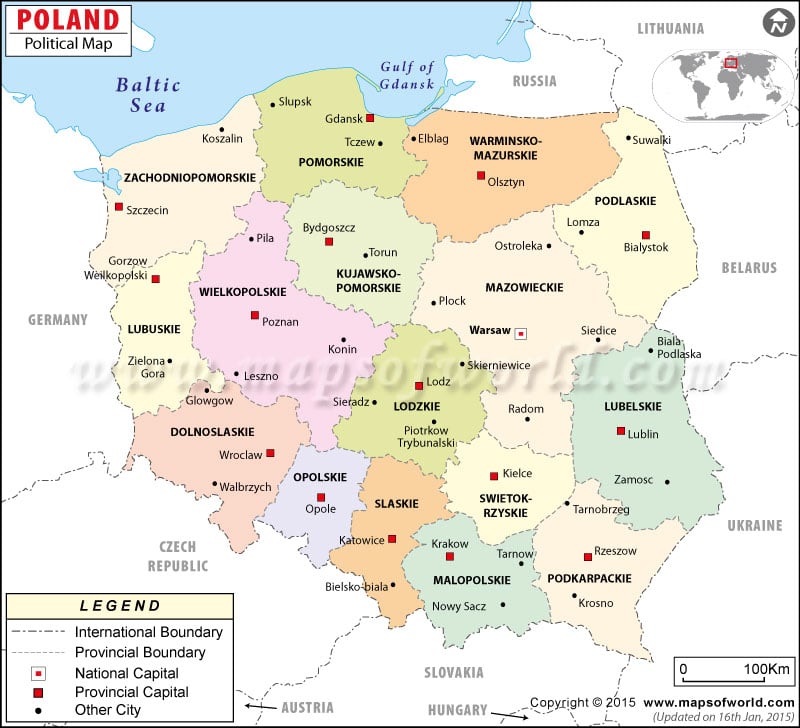
Poland is a country that hadn't really ever been on radar until we tackled it this week in International Foods.

Poland is a country located in central Europe to the east of Germany and lies along the Baltic Sea.  There are many rivers throughout the country and the largest is Vistula. The northern part of Poland has a more varied topography and features many lakes and hilly areas. Poland's climate is temperate with cold, wet winters and mild, rainy summers.

Pierogi
Ingredients
  • 2 cups all-purpose flour
  • 1 egg
  • 1/8 teaspoon salt
  • 1/2 to 3/4 cup water or skim milk
  • strawberry or grape jam
Recipe
  1. In a medium bowl, mix together flour, salt, and egg. Add liquid, a little at a time, until dough is stiff.
  2. Knead dough for 2 to 4 minutes on a floured surface. Roll out dough to 1/8 inch thickness with a rolling pin.
  3. With a glass or cookie cutter, cut out rounds of dough 3 inches in diameter.
  4. Put 1 teaspoon jam of on one half of each circle.
  5. Moisten edges of dough with a little water. Fold dough over jam and press edges together first with your fingers, then with the tines of a fork.
  6. Fill a large kettle with water and 1 teaspoon salt and bring to a boil. Place pierogis in water a few at a time. Boil for 3-5 minutes, until they begin to float.
  7. Take out and serve.
My Thoughts
When someone explained pierogis to me, I was really excited to try them. However, I was sadly disappointed. The jam filling was a big letdown. I also wasn't crazy about the noodle like shell. It was a bit strange. Pierogis aren't something that I plan on making again anytime soon.

Friday, April 25, 2014

Cuba

Cuba was the country we learned about and cooked dishes from this week in International Foods.

As the first and last Spanish colony in the Caribbean, Cuban food still has strong Spanish influences. With a tropical climate and rolling hills and rugged mountains, Cuban food relies a great on roots and tubers, such as malanga, potatoes, bonitos, and yucca. Other starchy foods include plantains, bananas, and rice.

Baked Eggs
Ingredients
  • 1/4 cup olive oil
  • 3 cloves garlic, peeled and minced
  • 1 large onion, chopped
  • 1 large green bell pepper, seeded and chopped
  • 1 large tomato, chopped
  • salt and pepper to taste
  • 6 eggs
  • 3 tablespoon butter, melted
Recipe
  1. Preheat oven to 350 degrees Fahrenheit.
  2. In a large, deep skillet, heat oil over medium heat. Sauté garlic, onion, and green pepper for 2 to 3 minutes, or until onion is soft but not brown. Add tomato and cook 15 minutes, or until sauce thickens. Add salt and pepper to taste.
  3. Light oil six ramekins. Divide sauce evenly among ramekins. Break 1 egg into each dish, being careful not to break the yolk. Drizzle a bit of melted butter over each egg.
  4. Place dishes in oven and bake for 10 to 12 minutes, or until the whites of the eggs are completely opaque and white, and the yolks are still a bit runny. Remove from oven, season with additional salt and pepper if desired, and serve immediately.
My Thoughts
I'm not a big egg person, so this wasn't my favorite dish. We overcooked our eggs so the yolk was firm and that kind of ruined the dish for me. I also thought there was a little too much tomato. But I did think this was a pretty unique dish and something worth trying.

Thursday, April 24, 2014

China

This week in International Foods we focused on the country of China. Not going to lie, Chinese food is my favorite and I have been waiting all semester for this unit.

The terrain in China then gradually descends from west to east like a staircase creating many different cuisines. The stair steps range from mountains to hills, foothills, and eventually shallows together with the islands on the rim of the mainland. China lies mainly in the north temperate zone, characterized by a warm climate and distinctive seasons, a climate well suited for habitation. These conditions spring onions, soy sauce, garlic, gingerroot, and of course rice common ingredients in Chinese cooking.

Chicken Fried Rice
Ingredients
  • 1 cup long-grain rice
  • 3 T. oil
  • 1/2 cup chopped onion
  • 1/4 green pepper, chopped
  • 1 chicken breast
  • 2 eggs, beaten
  • 2 T. soy sauce
  • 1 cup vegetables
Recipe
  1. Place rice in 2 cups of cold water; bring to a boil.
  2. When it boils, reduce the temperature to low, cover with a lid and simmer for approximately 10-15 or until the water disappears. Check for doneness by taste testing.
  3. Cut chicken into bite size pieces.
  4. Add 2 T. oil to wok or skillet. Preheat and add chicken. Cook until the chicken is all white, no pink. Then, removed from wok or skillet, onto a plate.
  5. Put chopped green pepper and onions in wok or skillet and cook until crisp tender. Remember from wok or skillet to a plate.
  6. Add oil if necessary and stir fry eggs until done.
  7. Add cooked rice to eggs then add soy sauce, chicken and vegetables.
  8. Mix and heat thoroughly.
My Thoughts
Personally, I loved this China unit. I had never tried chicken fried rice before but after this I would definitely try it again. This has been my favorite unit so far.

Saturday, March 29, 2014

Ireland

Ireland, the place where St. Patrick's Day originated and more importantly where Niall from One Direction is from. This week in International Foods we took on the country of Ireland.

Ireland is situated in the Atlantic Ocean and separated from Great Britain by the Irish Sea. Half the size of Arkansas, it occupies the entire island except for the six counties that make up Northern Ireland. Ireland resembles a basin—a central plain rimmed with low mountains. The potato has heavily influenced Irish cuisine since the late 16th century. Other common foods include beef, lamb, cabbage, shellfish, apples, and pears.


Irish Soda Bread
Ingredients
  • 3 T. margarine, softened
  • 2 1/2 cup flour
  • 2 T. sugar
  • 1 t. baking soda
  • 1 t. baking powder
  • 1/2 t. salt
  • 1/3 cup raisins, if desired
  • 3/4 cup buttermilk
Recipe
  1. Heat oven to 375 degrees.
  2. Grease a baking sheet.
  3. Mix flour, sugar, baking soda, baking powder, and salt in a large mixing bowl.
  4. Cut margarine into the flour mixture, until mixture resembles fine crumbles.
  5. Stir in raisins.
  6. Stir in just enough buttermilk so dough leaves side of bowl.
  7. Place dough on a lightly floured board; knead one to two minutes or until smooth.
  8. Shape dough into a round loaf, about 6 1/2 inches in diameter; place on baking sheet. Cut an X about 1/2 inch deep through loaf with floured knife.
  9. Bake 35 to 45 minutes or until golden brown. Brush with softened margarine, if desired.
  10. Cool slightly before slicing.
My Thoughts
To say this dish was liked would be a bit of an understatement. Four girls ate the whole loaf in a very short period of time. My group decided not to add the raisins and I'm glad we didn't. We used some different jellies and jams to give it a bit more flavor. The soda bread reminded me a bit of the scones we made last week for England, however. This wasn't my favorite dish we made but it was a good one.

Thursday, March 27, 2014

England

England! A country known for its' tea parties and royal family. This week in International Foods we decided to a classic English tea party.

England is a part of Europe's United Kingdom and it is located on the island of Great Britain. It is not considered a separate nation, but it is an independent country within the UK. The staple foods are meat, fish, potatoes, flour, butter and eggs. These are common foods due to England's rolling hills that are not very high, making for the ideal place to live and farm. England’s climate is described as being “temperate maritime”. Winter temperatures seldom plummet below zero degrees Celsius, while summer highs can reach about 30 degrees Celsius.


Scones
Ingredients
  • 2 cups flour
  • 2 teaspoons baking powder
  • 1/2 teaspoon salt
  • 4 tablespoons softened butter
  • 1/3 cup sugar
  • 1/3 cup raisins, diced
  • 3/4 cup buttermilk
Recipe
  1. Preheat oven to 425 degrees.
  2. Mix flour, baking powder, and salt in a large bowl.
  3. Cut in butter with a pastry blender.
  4. Mix in sugar and raisins.
  5. Stir in milk a little at a time, to make a soft dough.
  6. Flour a large cutting board.
  7. Divide dough in half and roll each piece to 3/4 inches think.
  8. Cut dough into wedges.
  9. Place triangles on a greased and floured cookie sheet.
  10. Bake for 10 minutes or until lightly browned.
  11. Serve hot with jam.
My Thoughts
I had very high expectations for this unit since I've wanted to go to the United Kingdom for so long. Sadly, I was disappointed. The scones were bland and not something I would make again for myself. My group decided not to put in the raisins which could have been part of the reason for the bland taste. I'm also not a big tea drinker so I wasn't fond of that either. Overall, the unit was a bit of a let down for me.

Saturday, February 22, 2014

Germany

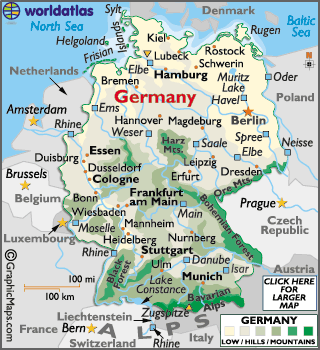
In International Foods this week we made two dishes from the country of Germany. This country has stood out to me ever since my Aunt hosted a foreign exchange student from there. So, I was excited to try the German cuisine.

Germany is located in the middle of Western Europe, the summer nights are long while the winters are cold and snowy. Being located by Italy and France has caused Germany to adopt many of their spices and cooking methods. Cuisines in Germany vary based on region. Germany has mountains, plains, and seas that all produce different German dishes. Lamb, pork, and beef are common meats used in Germany. Some common spices include mustard, horseradish, and juniper berries.


Potato Pancakes (Kartoffelpuffer)
Ingredients
  • 3 medium potatoes
  • 2 eggs, beaten
  • 1/4 onion, chopped
  • 2 tablespoons flour
  • 1/2 teaspoon salt
  • 2 tablespoons grease
Recipe
  1. Peel and shred potatoes, pat dry with a paper towel.
  2. Mix potatoes, eggs, onion, flour, and salt.
  3. Heat grease in a large skillet over medium heat.
  4. Pour 1/4 cup potato mixture for each pancake and spread with a turner to about 4 inches in diameter.
  5. Cook pancakes until golden brown, about 2 minutes on each side. Repeat process with the remaining batter. Add grease if pancakes start to stick.
  6. Keep warm in oven.
Bierocks
Ingredients
  • 1 package refrigerated crescent rolls
  • 1/2 small onion, minced
  • 1/2 lb. ground beef, browned
  • 1 1/2 cup shredded cabbage
  • 2 cups shredded cheddar cheese
  • salt and pepper to taste
Recipe
  1. Open crescent rolls; spread out onto cutting board; cut in half.
  2. Line a sprayed 8 x8 inch pan with half of the crescent rolls.
  3. Brown meat in a non-stick skillet; drain excess grease; return to skillet and add onion, cabbage, salt, and pepper. Cook together until cabbage wilts.
  4. Place 1 cup of the cheese as the first layer onto the crescent roll layer.
  5. Top this with the meat mixture.
  6. Layer 1 more cup of cheese.
  7. Top with the remaining crescent roll.
  8. Bake according to package directions of the crescent rolls.
My Thoughts
I really enjoyed this German unit, both dishes were great. If I were to make these dishes again, I would take the cabbage out of the bierocks and leave the potato pancakes as they were. Being a picky eater, I wasn't really interested in the idea of German food. However, I was pleasantly surprised. So far, this unit has been my favorite.

Thursday, February 13, 2014

Italy


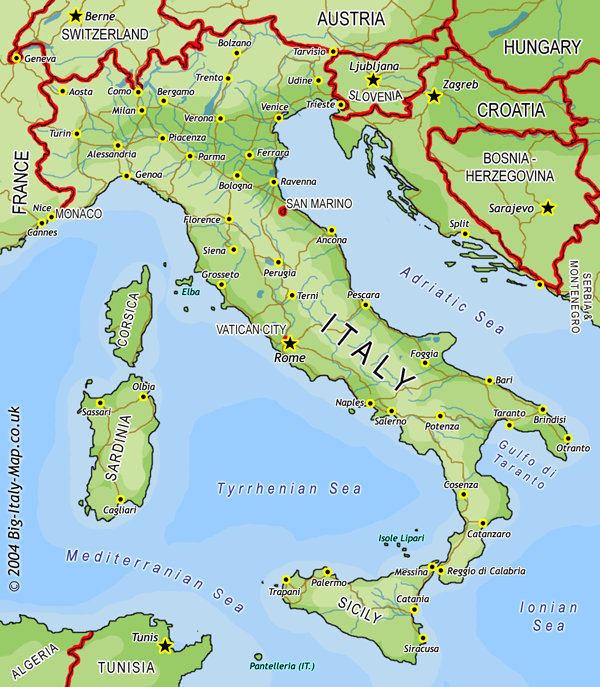
Italia! The land of pizza, pasta, and most importantly where the Lizzie McGuire took place! This week in International Foods we dove into the Italian culture.

Italian cusine varies based on the region of Italy being discussed. For example, in Venice, they use spices much more than in other parts of Italy because geographically, Venice was a convenient port. Since there was a lot of trading done, they had access to a lot of spices. Another example is in Parma, Parma itself is full of gradually sloping hills. The consistent dry breeze made it an ideal location for curing and aging pork products. In the south of Italy, it is very warm. As a result, they perfected their techniques for drying pasta and preserving it rather than making a batch of fresh pasta when it was needed. 


Fettuccine Alfredo
Ingredients
  • 1-8 oz. cream cheese, cut in small pieces
  • 3/4 cup Parmesan cheese
  • 1/2 cup butter or margarine
  • 1/2 cup milk
  • 8 oz. Fettuccine noodles
  • 6 cups water
  • 1/2 teaspoon salt
Recipe
  1. In a large saucepan combine cream cheese, Parmesan, butter, and milk.
  2. On medium-low temperature, heat the mixture while stirring constantly.
  3. Heat and stir until it becomes smooth and creamy.
  4. While sauce is being prepared, being 6 cups of water and the salt to a boil.
  5. When the water begins to boil, add noodles and reduce heat to medium-high.
  6. Cook until tender, but firm.
  7. Using a colander, drain pasta from water.
  8. Add pasta to the cheese sauce and toss lightly, coating well.
  9. Serve hot.
My Thoughts
Considering I am a picky eater, Italian food is one style of food that for the most part I like. Pizza, pasta, spaghetti, love it. Fettuccine Alfredo however, not so much. If I'm eating any type of pasta, it's going to be spaghetti with a red sauce. I've never veered about from that until I tried this dish, and probably will be sticking to the spaghetti with red sauce from here on. The pasta we made had way too much sauce which just kind of ruined the dish. I would recommend halving the sauce. Also, we made our own egg noodles, which I actually thought was really cool. It was a pain, but they turned out well. I would've have preferred to make a dish like lasagna or another type of pasta but with red sauce for Italy. This unit wasn't my favorite, but it wasn't the worst either. Off to the next.

Greece


This week we tackled the country of Greece in International Foods. I've been intrigued by this country since the Kardashians went there a few episodes ago.

Greek traditional food is unique for it's nutritional and health value. This is mainly because of it's Mediterranean climate. Greece is a nation of farmers who produce an array of cheeses, oils, fruits, nuts, grains, legumes, and vegetables. Greece's climate is perfect for growing olive and lemon trees, two key ingredients in Greek cooking. 20% of Greece is made of islands and no part of the Greek mainland is more than 90 miles from the seas, this makes fish and other seafood popular dishes. Lamb and goat, which are typically thought of as Greek dishes, are traditionally holiday meals. Greece is covered in vineyards, making wine a national spirit.


Greek Salad
Ingredients
  • 1/2 head of iceberg or romaine lettuce
  • 2 tomatoes, quartered, or 10 cherry tomatoes, cut in half
  • 1 cucumber, peeled and sliced
  • 1/2 green pepper, cored, seeded, and sliced
  • 5 scallions, thinly sliced
  • 1 cup feta cheese, broken into chunks
  • 12 to 16 black Greek olives
  • 2 tablespoons red wine vinegar
  • 1 clove garlic, finely chopped
  • 1/4 teaspoon salt
  • 1/2 teaspoon oregano
  • 1/3 cup olive oil
Recipe
  1. Wash and prepare all vegetables.
  2. Tear lettuce into bite size pieces and put into salad bowl.
  3. Add tomatoes, cucumber, green pepper, scallions, feta cheese and olives.
  4. Pour dressing over salad and toss.
  5. Serve on chilled salad plates.
Dressing
Ingredients
  • 2 tablespoons red wine vinegar
  • 1 clove garlic, finely chopped
  • 1/4 teaspoon salt
  • 1/2 teaspoon oregano
  • 1/3 cup olive oil
Recipe
  1. Whisk together all ingredients except olive oil.
  2. Slowly add olive oil, whisking constantly.
My Thoughts
Not going to lie, I didn't even try this dish. Salad is a type of food that has never really interested me. It's pretty much like eating grass and leaves if you ask me, and that does not sound appetizing. Personally, I think we should have made something else for this Greece unit. A salad seems to be a classic dish in most countries and I would've liked to make a true Greek dish, not just an appetizer. Anyways, I wasn't pleased with this unit and I'm ready for the next. Italy here we come!

Spain


This week in International Foods we focused on the country of Spain and made a Spanish omelet.
Spain is a country located in southern Europe. It is on the Iberian Peninsula to the south of France and east of Portugal. Spain has a coastline on the Bay of Biscay and the Mediterranean Sea. The main food products produced from the Spanish region are grain, vegetables, olives, wine grapes, sugar beets, citrus, beef, pork, poultry, dairy products and fish. As you can imagine, this is what their dishes mostly consist of and focus heavily on.


Spanish Omelet
Ingredients
  • 1/4 cup olive oil
  • 1 large onion, minced
  • 1 large potato, minced
  • 1/4 teaspoon salt
  • 5 large eggs, beaten
  • 1 tablespoon olive oil
Recipe
  1. Heat olive oil in a frying pan over moderate heat. Add onion and potato and sprinkle with salt. Cook until soft, but not brown, stirring occasionally.
  2. Add about one-third of beaten egg. Using a spatula, lift up omelet at the edges and center to allow egg to run under potato and onion. Repeat this procedure until all egg has been added.
  3. When egg is firm but still slightly moist and golden on the bottom, run the spatula under to loosen it from the pan. Then place a plate over the top and flip omelet onto the plate.
  4. Add another tablespoon olive oil to the pan and slide the omelet back in, brown side up. Continue cooking omelet over moderate heat until golden on the other side.

My Thoughts
Personally, I really enjoyed this Spanish unit. The omelet we made was surprisingly good. Although, I would would have have enjoyed to try a real meal instead of just a breakfast cuisine, I still believe this dish is worth trying. If I had to change anything about this recipe, I wouldn't do as many potatoes or I would've chopping them into thinner cubes. Overall, Spain was a success.